Understanding Jueteng: A Deep Dive into the Gambling Phenomenon
Jueteng is a well-known and widespread numbers game in the Philippines, often operating outside the bounds of legal gambling. This local game of chance has captivated millions, entrenching itself as both a cultural staple and a controversial issue that has spurred debates on legality and morality across the archipelago.
The Origins of Jueteng
Jueteng traces its roots back to the Spanish colonial period, with its name derived from the Spanish word "juego" meaning "game" and the Chinese "teng" meaning "flower." This hybrid term reflects its eclectic beginnings, combining influences from Spanish and Chinese cultures that have been present in the Philippines for centuries. Initially, it was an innocent pastime but eventually evolved into a complex gambling operation, deeply embedded in Filipino society.
The Mechanics of the Game
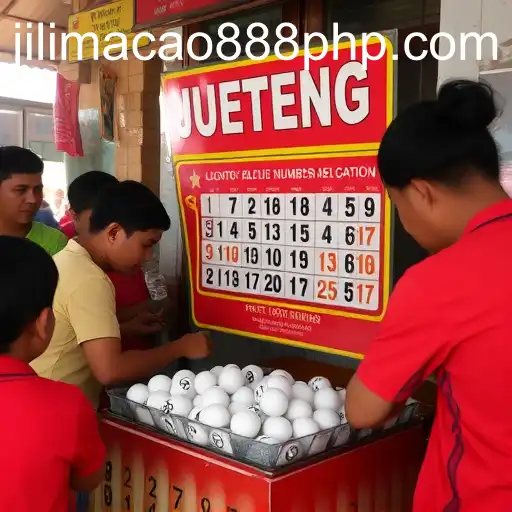
The game of jueteng is simple yet effectively addictive. Players select a combination of numbers, typically ranging from 1 to 37, much like a lottery. Bets are then placed with collectors, known locally as "kubradors," who roam neighborhoods to collect entries. Winning numbers are drawn through informal processes, often subject to local variations and superstitions.
Why Jueteng Persists
Despite repeated crackdowns by government agencies, jueteng continues to flourish. This resilience is often attributed to multiple socio-economic factors. Not only is it accessible and easy to play, but it also offers a tantalizing chance at instant wealth without the bureaucratic hassles of legal alternatives. Moreover, its operators often possess ingenious methods to evade law enforcement, adding to its durability.
The Socio-Economic Impact
The economic impact of jueteng cannot be overstated. For many Filipinos, it is both a form of entertainment and a financial lifeline. It employs a sizable portion of the population, from bet collectors to coordinators. However, this comes at a cost. Experts argue that it exploits financially vulnerable communities, funneling limited resources into an informal economy that offers little long-term benefit. The funds circulating in the jueteng network aren't subject to tax, depriving the national and local governments of significant revenue.
Legal and Political Ramifications
Efforts to legalize jueteng have been met with mixed reactions, often dividing opinions along ethical and pragmatic lines. Proponents argue that legalizing the game would regulate it, introduce necessary oversight, and enable the government to collect much-needed funds. Critics, however, maintain that legalization would amplify the country's existing gambling problems, leading to increased addiction and social disintegration.
Politically, jueteng is a hot-button issue, infiltrating even the loftiest echelons of power. Several high-profile political figures have been accused of either participating in or profiting from the jueteng industry, sparking corruption investigations and reforms.
Jilimacao 888: A New Player in the Field
In recent times, emerging platforms like Jilimacao 888 are poised as potential digital alternatives. While not involved in jueteng directly, their rise highlights the ongoing shift toward online gambling, a sector inevitably impacting traditional games. Jilimacao 888 symbolizes the digital future many speculate for games like jueteng.
Alternate Solutions and Future Outlook
Several alternatives to curb jueteng while ensuring economic opportunities for those involved have been proposed. Enhanced support for legalized gambling, such as the Small Town Lottery (STL), offers a state-sanctioned, regulated platform similar to jueteng, providing safer and lawful opportunities for bets and work alike.
Moreover, community and poverty alleviation programs could shift dependence away from gambling as a source of income. Education and skill development initiatives are critical long-term strategies for breaking the cycle and offering stable livelihoods.
The Cultural Fabric
Jueteng is more than just a game; it's a cultural norm in many Filipino communities. Its deep roots in the collective consciousness make it an inextricable social component, challenging reform attempts. Future efforts to address jueteng need to resonate both with cultural sensibilities and economic realities.
As the debate around jueteng rages on, its persistence underscores the complex interplay between culture, economy, and legality. It requires nuanced, multifaceted solutions, involving community-driven policy making and pragmatic compromise. Until such balance is achieved, jueteng will likely remain a captivating, controversial component of Filipino life.